Autolysis for Pizza Dough: The 20-Minute Trick That Cuts Your Kneading Time
If you have ever finished kneading a batch of pizza dough with aching arms and an overheated dough ball, autolysis is about to become your favourite step. It is one of the simplest techniques in dough making, and it borrows directly from the world of bread baking. There is no special equipment, no extra ingredients, and no real skill required. You just mix flour and water, walk away for 20 minutes, and let the enzymes inside the flour do the heavy lifting.
In this post we will break down exactly what autolysis is, why it works, and how to fit it into your home pizza routine.
What Autolysis Actually Is
Autolysis is nothing more than combining flour and water and letting the mixture rest before you add anything else. That is the whole method. During this rest, you activate two naturally occurring enzymes in the flour: amylase and protease. They quietly begin to break down the components of the flour while you do nothing at all.
The single goal of autolysis is to reduce your kneading time. That might sound minor, but less kneading solves two real problems.
Why Less Kneading Matters
There are two reasons you want to keep kneading to a minimum:
- Overheating. The longer you knead, the warmer the dough gets. A hot dough ferments unevenly and can become slack and hard to manage. - Excessive oxidation. Long kneading pulls too much oxygen into the dough, which degrades flavour and the colour of the crumb.
By doing part of the work for you, autolysis lets you reach a smooth, extensible dough with far less mechanical mixing.
The Method, Step by Step
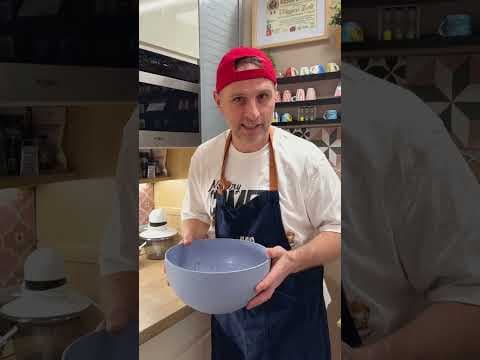
The technique is almost embarrassingly simple. Here is the version used in the video:
- Weigh 1 kg of flour into a bowl. In this case the flour is Petra 5037, a strong flour well suited to dough making. - Add 600 g of cold water. - Mix only until the flour has absorbed all the water. You are not kneading here, just bringing it together. - Let it rest for 20 minutes.
That is it. Cover the bowl and leave it alone.
The One Rule You Cannot Break
During autolysis you add nothing but flour and water. No sugar, no olive oil, no honey, no yeast, and crucially no salt.
Salt is the big one. Salt is hygroscopic, which means it competes with the flour for the available water. If you leave the salt out at this stage, the proteins in the flour can hydrate and activate perfectly. Add the salt and the other ingredients only after the autolysis rest is finished.
What the Enzymes Are Doing
While the dough rests, those two enzymes get to work:
- Amylase starts converting starch into sugar. For our purposes this effect is minor, so you do not need to worry about it. - Protease is the one that matters. It begins breaking down the bonds in the gluten-forming proteins, which makes your dough progressively more extensible. More extensible dough is easier to stretch into a thin, even base without tearing.
Choosing Your Rest Time
For most pizza dough, 20 minutes is enough to fully hydrate the flour and shave time off your kneading. But the rest time is a lever you can pull depending on what you need:
- 20 minutes hydrates the flour and reduces kneading. This is the standard, all-purpose choice. - 120 minutes or more is what you need if you specifically want to increase extensibility. Some flours benefit from a much longer protease window to become truly stretchy, and 20 minutes simply will not get you there. If extensibility is your goal, plan for at least two hours.
After the Rest
When the 20 minutes are up, take a look at your dough. You will already see that gluten has started to form, even though you barely touched it. From here you add your salt, yeast, and anything else your recipe calls for, and finish the dough with a much shorter knead.
That is the whole trick. Autolysis is the kind of small, almost invisible step that makes a noticeable difference in how your dough behaves. Give it a try on your next batch, and enjoy the lighter workload. Happy pizza making.